Santa Baby SVG: A Designer's Take on Holiday Embroidery
As we approach the peak of the holiday season, my inbox and design queue fill up with requests for festive custom apparel. Clients want everything from matching family sweatshirts to boutique tote bags that scream "holiday chic." Recently, I pulled the Santa Baby Svg file from my library to evaluate it for a real-world project. This isn't just about downloading a graphic; it's about understanding how a digital asset translates into thread, fabric, and ultimately, a finished product that holds up to wear and washing.
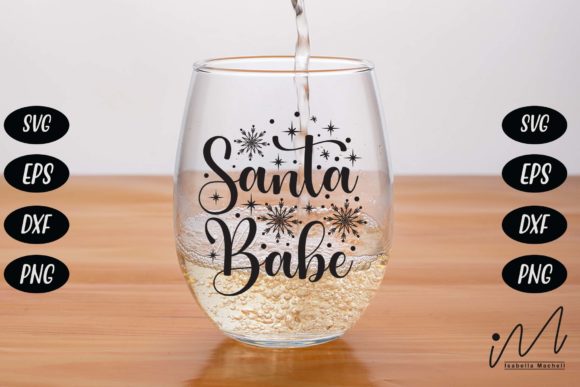
The first thing I noticed when opening the file was the typography. The phrase "Santa Baby" carries a specific mood—it's playful, slightly retro, and undeniably cute. In the world of Crafts and Graphics, finding a font that balances legibility with personality can be tricky. This design seems to hit that sweet spot. The curves are smooth, suggesting it will translate well into a satin stitch or a clean fill stitch without too much jaggedness on the edges. For an embroidery designer, smooth curves mean fewer thread breaks and a more professional-looking finished product.
Visualizing the Stitch-Out: From Screen to Fabric
Before loading any machine, I always visualize the embroidery project. I imagined this design on a soft, heather-grey fleece sweatshirt. The contrast would be perfect, allowing the thread colors to pop without looking harsh. Because the Santa Baby Svg is vector-based (SVG, DXF, EPS), I have the freedom to resize it to fit different hoop sizes or adjust the proportions for a cap versus a large tote bag. This flexibility is crucial for a craft business where one design often needs to adapt to multiple products.
However, moving from a screen to a needle requires critical thinking. If you are planning to use this as a machine embroidery design, you cannot simply import the SVG and expect magic. You must digitize it properly or ensure your software converts the vectors into appropriate stitch types. For the thicker parts of the letters, a fill stitch with good underlay is essential to prevent the fabric from puckering. For thinner connecting lines, a running stitch or a narrow satin stitch might be more appropriate to maintain detail. The key here is stitch density. If the density is too high, the design becomes stiff and cardboard-like; too low, and the fabric shows through, ruining the visual appeal.
Real-World Application: The Boutique Tote Test
Let's look at a specific scenario. Imagine a small shop owner preparing a run of canvas tote bags for a holiday market. They choose the Santa Baby Svg for its broad appeal. Canvas is a sturdy fabric, but it has a distinct texture. When stitching on textured fabrics, fine details can get lost. In this case, the bold nature of the text works in our favor. It's not overly intricate, which means it should survive the rougher weave of a tote bag better than a highly detailed illustration would.
For an Etsy seller, presentation is everything. Using this design on a printable mockup before even stitching a single thread can help gauge customer reaction. Does it look cozy? Is it too childish? The "Santa Baby" quote leans towards a younger demographic or those who love a touch of whimsy, making it an excellent choice for baby embroidery projects like onesies or nursery wall hangings. However, for adult custom apparel, pairing it with a sophisticated thread palette—perhaps metallic gold on deep velvet green—can elevate it from a craft project to a boutique item.
Navigating Technical Challenges and Fabric Choices
While the design is versatile, there are areas where caution is required. If you intend to place this on a curved surface like a baseball cap, the layout needs careful adjustment. The arch of the cap can distort straight lines, so testing the placement is non-negotiable. Similarly, if you are working with stretchy fabrics like jersey knits for t-shirts, the choice of stabilizer becomes the most critical variable. A cut-away stabilizer is usually best for garments that will be washed frequently, ensuring the embroidery file doesn't cause the fabric to warp over time.
Another consideration is the size of the text. If you decide to shrink the Santa Baby Svg for a small pocket on a child's shirt or a corner of a kitchen towel, verify that the lettering remains readable. Tiny lettering in embroidery can easily turn into a blob of thread if the stitches are too dense or the thread weight is too heavy. Always test on scrap fabric first. This simple step saves money on ruined blanks and protects your reputation as a maker.
Commercial Viability and Brand Consistency
For those using this as a digital embroidery file to sell or as part of a larger collection of design assets, consistency is key. Does this design match the rest of your holiday line? If your brand is known for minimalist, modern aesthetics, a playful script like this might need to be paired with very clean, sans-serif supporting text. On the other hand, if your brand embraces traditional holiday cheer, this design fits perfectly.
It is also vital to address licensing. While the product description mentions formats like SVG, DXF, and EPS, and notes that you can change colors and sizes, it does not explicitly detail the commercial license terms for the digitized embroidery version. Before selling small shop products featuring this design, confirm whether the license covers physical goods, digital files, or both. Protecting your craft business means respecting intellectual property and ensuring you have the right to profit from your handmade product.
Final Thoughts on Execution and Quality
The true test of any design is how it performs after the hoop comes off. A great holiday embroidery piece should look crisp from a distance and hold up to close inspection. With the Santa Baby Svg, the potential for a high-quality personalized gift is significant, provided the execution is sound. Pay attention to thread tension, ensure your needles are fresh, and choose thread colors that offer enough contrast against your chosen fabric background.
Whether you are creating an embroidered patch for a jacket, decorating tea towels for a hostess gift, or launching a new line of sweatshirt embroidery, this design offers a solid foundation. It captures the spirit of the season without being overly cluttered. By treating the digital file with the respect it deserves during the digitizing and stitching phases, you can create items that bring joy to customers and enhance your portfolio as a skilled creator. Remember, the difference between a good product and a great one often lies in the details—the stabilizer choice, the thread quality, and the care taken in every stitch.