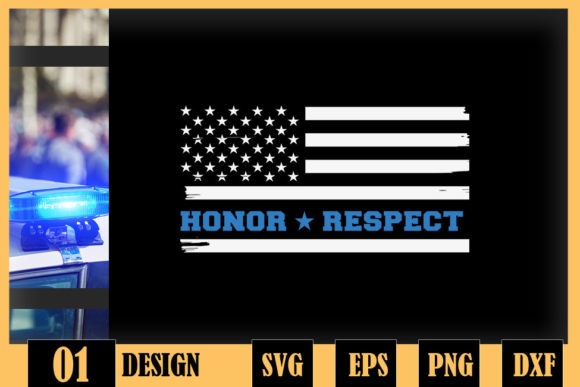
Reviewing Police Thin Blue Line Honor Respect for Embroidery
As a designer who spends more time staring at stitch previews than actual scenery, I approach every new machine embroidery design with a mix of curiosity and skepticism. We have all seen the "Thin Blue Line" motif countless times, but when a file titled Police Thin Blue Line Honor Respect lands on my desk, the question isn't just about the symbolism—it is about execution. Can this graphic translate from a screen pixel into a tangible, high-quality finished product? After reviewing the asset within the context of real-world crafting, I am ready to share how this design holds up for serious craft business applications and personal projects alike.
First Impressions: Mood and Visual Personality
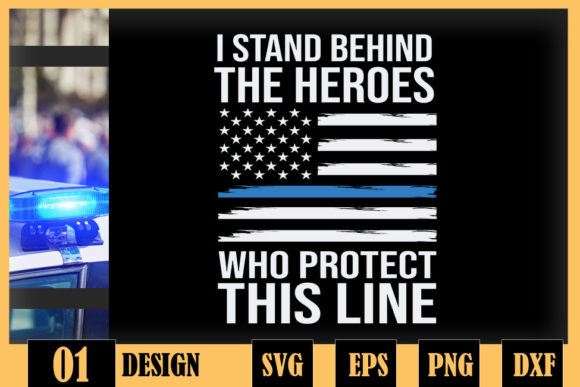
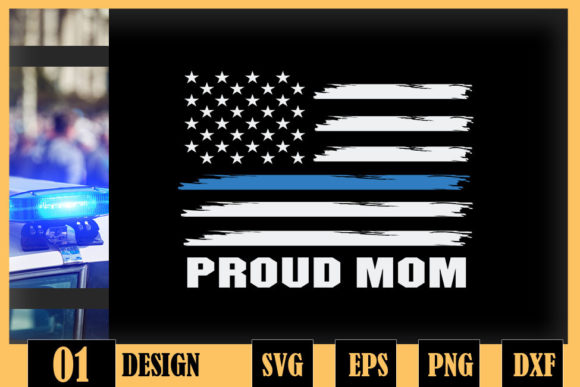
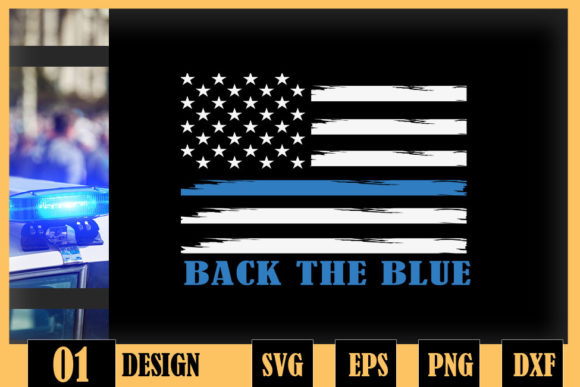
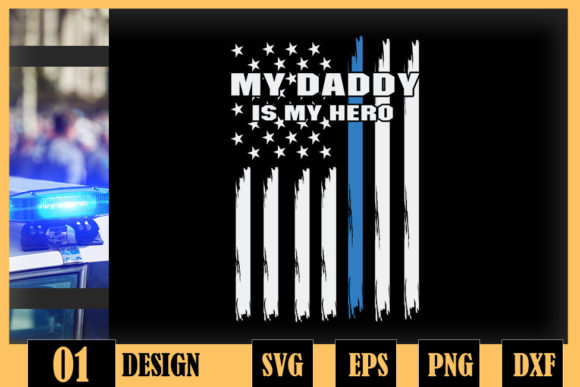
The initial visual impact of Police Thin Blue Line Honor Respect is one of solemn dignity. Unlike some overly ornate police badges that try to do too much with metallic threads and complex shading, this design leans into a cleaner, more modern aesthetic. The layout suggests a strong focus on typography balanced with the iconic flag or badge element. For an Etsy seller or boutique owner, this mood is crucial. It signals respect without being aggressive, making it versatile enough for a memorial piece, a supportive gift for an officer's family, or a uniform accent.
From a Graphics perspective, the lines appear crisp in the preview, which is a good sign for digitization quality. However, as we move from digital assets to physical thread, the devil is always in the details. The design seems to rely heavily on the contrast between the dark background elements and the singular blue line. This simplicity is its strength, but it also demands precision during the stitching phase to ensure the "blue line" doesn't get lost in poor thread choices or low-density stitching.
Real-World Application: The Custom Tote Scenario
To truly test the viability of this design, I envisioned a specific project: a custom canvas tote bag for a local police appreciation event. Canvas is a forgiving yet textured fabric, often used for tote bag design in the Crafts category. When placing Police Thin Blue Line Honor Respect on a heavy-duty canvas, the design needs enough substance to stand out against the weave of the material.
In this scenario, the design shines because of its bold statement. A satin stitch border around the text would provide the necessary definition, while a fill stitch for the background elements ensures opacity. If I were producing these for a client, I would likely pair this with a navy or black canvas to let the blue line pop. The result is a professional-looking handmade product that feels substantial and valuable. It avoids the cheap look of a decal and instead offers the texture and permanence of true embroidery, increasing the perceived value of the item significantly.
Versatility Across Different Products
Beyond tote bags, this design has potential across a wide range of custom apparel and home goods. Imagine this stitched onto the chest pocket of a work shirt or the back of a denim jacket. The scale seems appropriate for sweatshirt embroidery, where larger hoop sizes allow the text to remain legible even from a distance. For those interested in baby embroidery, perhaps for a "future officer" onesie, the design would need to be scaled down significantly. This is where caution is required; shrinking complex text can lead to merging letters if the stitch density is too high or the resolution of the original embroidery file isn't sharp enough.
It also works well for embroidered patch creation. By using a cut-away stabilizer and merrowed edges, this graphic could become a standalone morale patch. The clean lines of the "Honor Respect" text would translate well to the smaller format of a patch, provided the lettering isn't too fine. For holiday gifts or memorial items, such as a pillow cover or a framed textile piece, the design carries enough emotional weight to serve as a focal point without needing excessive embellishment.
Technical Considerations and Fabric Challenges
While the design is promising, there are technical hurdles to consider before hitting the start button. The most critical factor is fabric choice. On stretchy fabrics like jersey knits, a dense design like this can cause puckering if not properly stabilized. I strongly advise using a high-quality cut-away stabilizer for any garment that will be worn and washed frequently. For caps or curved surfaces, the layout must be centered perfectly, as the curvature can distort the straight lines of the text and the flag element.
Another consideration is the thread colors. The success of the "Thin Blue Line" concept relies entirely on the specific shade of blue used. A royal blue might look vibrant, but a darker navy could blend too much with black backgrounds. I recommend testing swatches on both light and dark fabrics. If you are working on a black polo, ensure your black thread has a slight sheen difference or texture variation compared to the background fabric to prevent the design from disappearing. Additionally, check the small details in the lettering. If the font includes serifs or tight kerning, verify that your machine can handle the running stitch transitions without breaking threads.
Designer Notes for Commercial Use
For small shop product creators and commercial embroidery professionals, due diligence is key. Before listing this as a printable mockup or selling finished items, you must verify the licensing terms associated with Police Thin Blue Line Honor Respect. The product description mentions compatibility with software like Cricut Design Space, Silhouette Studio, Corel Draw, Adobe Illustrator, and Photoshop. This suggests the file may be a vector graphic intended for cutting or printing, rather than a pre-digitized embroidery file (like .PES or .DST).
Crucial Step: If this is a vector graphic, you cannot simply load it into your embroidery machine. You will need to digitize it yourself or hire a digitizer to convert the Graphics into a stitch file. This involves mapping out the satin stitch directions, setting pull compensation, and determining the optimal stitch order. If you are not a digitizer, do not assume this file is ready-to-stitch. Check the file formats provided upon purchase. If it is already an embroidery file, review the stitch count and jump stitches to ensure efficiency.
Always test the design on scrap fabric identical to your final project material. Check the back of the hoop to ensure the bobbin thread isn't pulling through excessively, which can ruin the comfort of wearable items. For holiday embroidery or gifts that will be displayed, inspect the finished product under bright light to catch any loose threads or uneven tension. These small quality control steps build customer trust and protect your reputation as a skilled maker.
Final Verdict on Value and Appeal
In the crowded market of police support merchandise, authenticity matters. Police Thin Blue Line Honor Respect offers a respectful, clean aesthetic that avoids cliché over-designing. Its value lies in its adaptability; it can be dressed up with metallic threads for a formal award or kept simple with cotton thread for everyday wear. For the creative entrepreneur, this design represents a solid foundation for a product line that honors service members with dignity.
However, its success depends entirely on the execution. Whether you are creating a personalized gift for a neighbor or building inventory for an online store, take the time to understand the file type, choose the right materials, and respect the technical limits of your machine. When done correctly, this design elevates a simple piece of fabric into a meaningful tribute, proving that thoughtful design and careful craftsmanship are the true markers of quality in the Crafts industry.