Reviewing Celebrate 1st Wedding Anniversary Design
As a designer who has spent countless hours digitizing patterns and troubleshooting thread breaks, I approach every new machine embroidery design with a mix of curiosity and skepticism. We have all been there: you download a file that looks stunning on the screen, only to find it puckers the fabric or loses its charm once stitched out. Today, I am taking a close look at the Celebrate 1st Wedding Anniversary graphic, evaluating it not just as a digital asset, but as a viable component for real-world embroidery projects.
This piece falls under the broad categories of Crafts and Graphics, specifically tailored for Print on Demand (POD) businesses and handmade creators. But does it hold up under the needle? Let’s dive into the practicalities.
First Impressions and Visual Mood
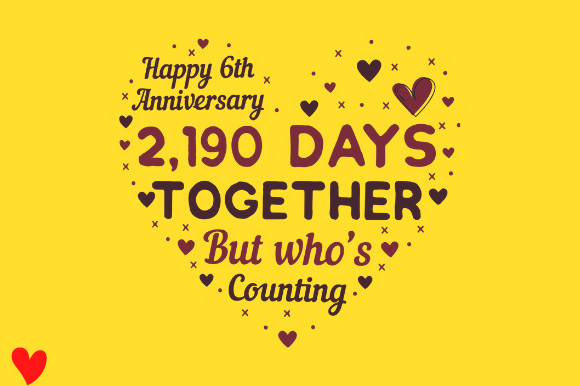
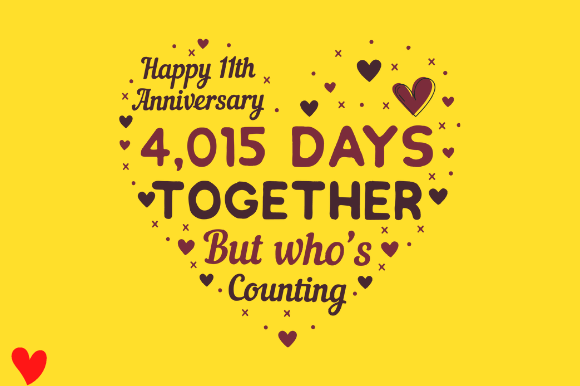
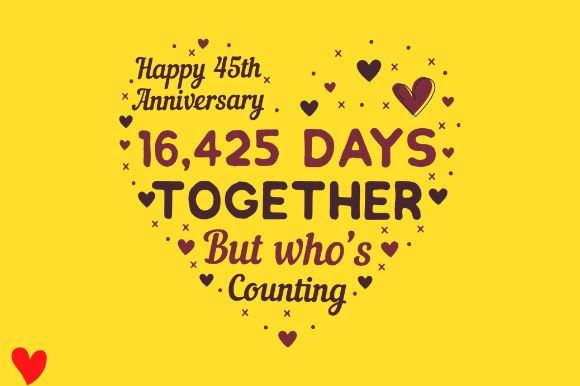
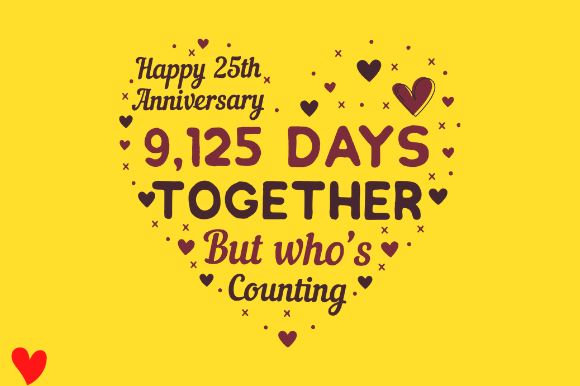
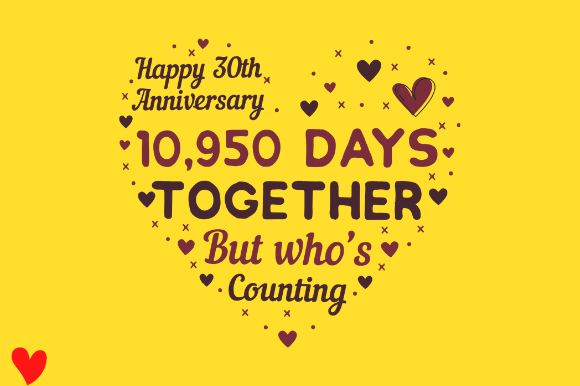
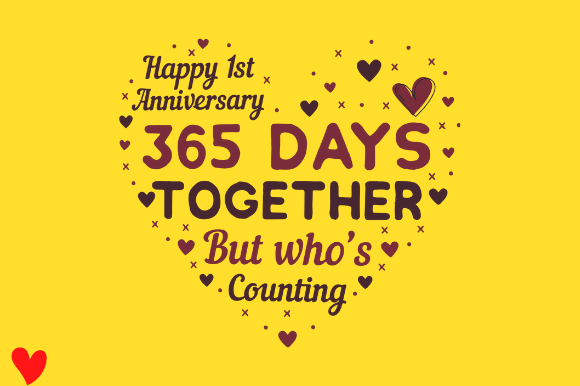
The first thing that strikes me about the Celebrate 1st Wedding Anniversary design is its celebratory yet intimate mood. It captures the specific joy of a milestone that is often overshadowed by the wedding day itself. The layout appears balanced, offering a visual personality that feels modern but timeless. For an Etsy seller or a boutique owner, this emotional resonance is crucial. Customers are not just buying a stitch pattern; they are buying a sentiment.
From a structural standpoint, the design seems to rely on clean lines and readable typography. This is vital for embroidery, where overly complex details can get lost in the thread colors and fabric texture. The visual weight suggests it would work well as a focal point on a garment or home decor item, rather than getting lost as a tiny accent. It feels designed for impact, which is exactly what you want when creating a personalized gift.
Real-World Application: The Custom Tote Scenario
To truly test the viability of this design, I imagined a specific client project: a custom embroidered tote bag for a couple celebrating their first year of marriage. Tote bags are popular small shop products because they are practical and serve as walking advertisements for your brand.
In this scenario, the Celebrate 1st Wedding Anniversary design would likely be centered on the front panel. Because tote bags are often made from canvas or heavy cotton, the stitch density of the design becomes a critical factor. If the design uses too much fill stitch without proper underlay, it could cause the fabric to pucker or distort. However, if the design utilizes a mix of satin stitch for borders and text, with strategic running stitch details, it should lay flat and look professional.
I also considered how this would translate to sweatshirt embroidery. A cozy crewneck sweatshirt is a classic first-anniversary gift. Here, the design needs to breathe. On fleece or French terry, high-density stitching can create a stiff, uncomfortable patch. My advice would be to check the digitizing quality carefully. If the design allows for adjustable density, lower it slightly for thicker fabrics to maintain softness while ensuring the text remains legible.
Navigating Fabric and Hoop Constraints
One of the most common mistakes makers make is ignoring the limitations of their hoop size. Before loading this digital embroidery file into your machine, measure your available hoop space. While the design might fit technically, you need to consider the "breathing room" around the edges. Crowding a design against the hoop edge often leads to skipped stitches or fabric shifting.
Furthermore, consider the fabric texture. This design would likely shine on smooth, woven fabrics like linen tea towels or high-quality cotton shirts. However, use caution with stretchy knits or textured waffles. Without the right stabilizer, the intricate parts of the design could warp. For a baby embroidery project, such as a onesie or burp cloth, ensure the back of the stitching is covered or trimmed neatly to prevent irritation against sensitive skin.
If you are planning to use this on dark fabrics, pay close attention to the contrast. A printable mockup can help visualize this, but nothing beats a physical test. Stitch out a sample on scrap fabric in both light and dark threads. This step is non-negotiable for maintaining brand consistency and professionalism. If the design relies on subtle shading, it may not translate well to a single-color applique design approach, so verify the color separation in your software.
Commercial Viability and Brand Value
For craft business owners, the ultimate question is: will this sell? The Celebrate 1st Wedding Anniversary theme taps into a evergreen market. Wedding gifts, anniversary presents, and commemorative items are always in demand. By offering this as part of a curated collection, you enhance the perceived value of your finished product.
Using high-quality design assets like this helps build customer trust. When a buyer sees crisp, well-digitized lettering and balanced composition, they associate that quality with your brand. This is particularly important for commercial embroidery where repeat customers are key. A sloppy stitch-out can damage your reputation, but a clean, professional execution encourages reviews and referrals.
Additionally, this design is versatile enough for various holiday embroidery campaigns. Think beyond just the anniversary date; consider pairing it with Valentine’s Day promotions or bridal shower merchandise. Its adaptability makes it a smart addition to your library of tote bag design options or custom apparel offerings.
Practical Designer Notes for Success
Before you commit to producing a large batch of items, keep these technical checks in mind:
- Test on Scrap Fabric: Always run a test stitch-out on the same type of fabric you plan to use for the final product. This reveals issues with tension and density.
- Check Thread Contrast: Ensure your thread choices provide enough contrast against the fabric background. Low contrast can make the design look muddy from a distance.
- Review Stitch Density: If the design feels too stiff after stitching, reduce the density in your editing software. This is crucial for garments that need to drape naturally.
- Confirm Hoop Size: Verify that the design fits comfortably within your hoop, leaving at least half an inch of margin on all sides.
- Inspect Small Details: Zoom in on the digital file. Are there any tiny elements that might break or bunch up? Simplify if necessary.
- Use Proper Stabilizer: Match your stabilizer to your fabric. Cut-away for knits, tear-away for wovens, and wash-away for delicate or sheer materials.
- Verify Licensing: Since this is a Graphics product intended for POD and commercial use, double-check the license terms. Ensure you are allowed to sell physical items made with this design.
In conclusion, the Celebrate 1st Wedding Anniversary design offers strong potential for creators who prioritize quality and presentation. It is not just a graphic; it is a tool for storytelling through stitch. By respecting the technical requirements of embroidery and understanding the emotional weight of the occasion, you can transform this digital file into a cherished handmade product. Whether you are creating an embroidered patch, a luxury pillow cover, or a simple yet elegant shirt, let the quality of your execution match the significance of the milestone. Happy stitching.