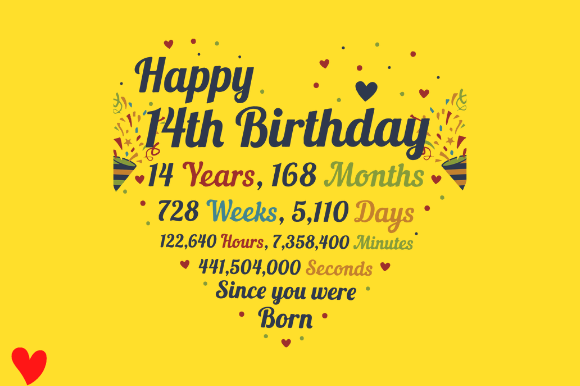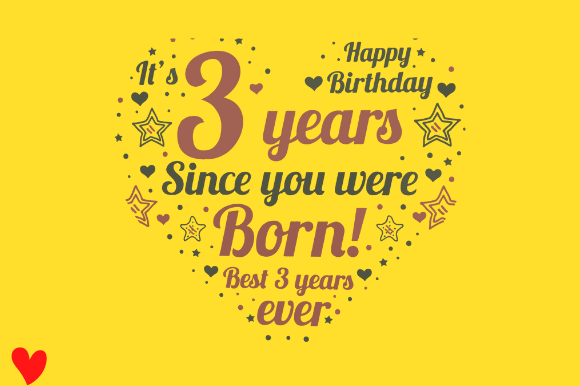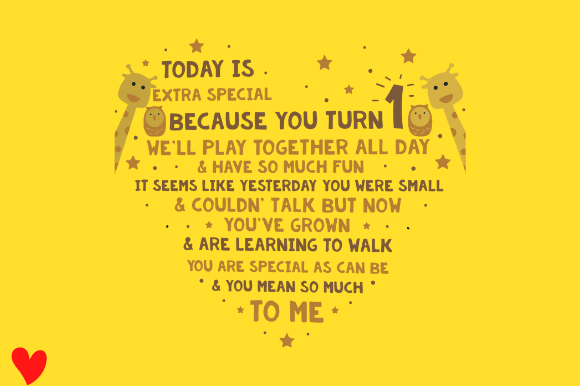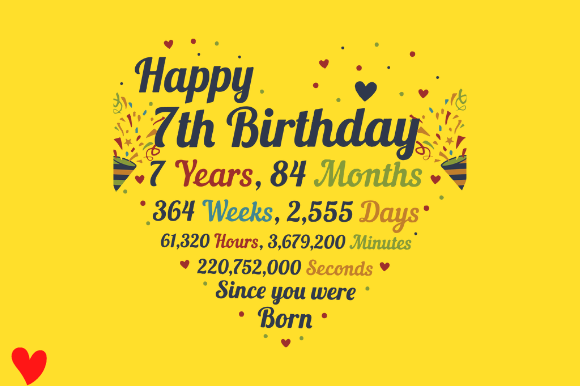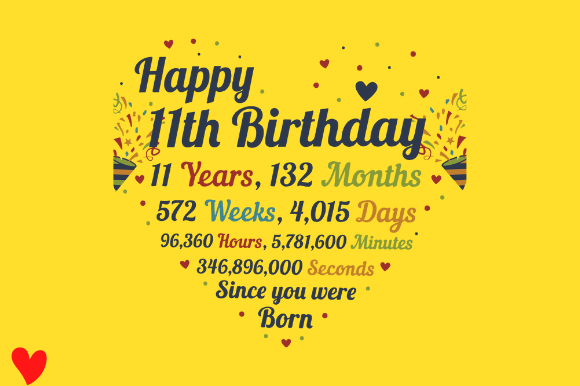
Reviewing 11TH BIRTHDAY for Real Embroidery Projects
As a designer who spends more time staring at stitch previews than actual fabric, I have learned to be skeptical of digital assets that promise high engagement without delivering structural integrity. When I first opened the 11TH BIRTHDAY graphic design file, my initial reaction was not just about the aesthetic appeal, but about its translatability from a flat screen to a textured, three-dimensional surface. In the world of Crafts and Graphics, there is often a disconnect between what looks good in a Print On Demand mockup and what survives the needle of a commercial embroidery machine. This review breaks down how this specific asset performs when moved from a digital concept to a tangible, stitched reality.
First Impressions and Visual Personality
The mood of the 11TH BIRTHDAY design is celebratory yet versatile. It does not scream for attention with chaotic elements, which is a relief for anyone who has tried to digitize overly complex graphics. The layout suggests a balance between bold typography and decorative accents, a combination that usually translates well into embroidery if handled correctly. For an embroidery project, clarity is king. If the lines are too thin or the details too dense, the thread will merge, and the message will be lost. From a visual standpoint, this design appears to have enough negative space to allow the stitches to breathe, which is crucial for maintaining legibility on items like sweatshirts or tote bags where fabric texture can interfere with fine details.
Real-World Application: The Custom Sweatshirt Test
To truly evaluate a design, you must imagine it on a specific product. I envisioned using 11TH BIRTHDAY for a custom apparel order: a mid-weight cotton blend sweatshirt for a pre-teen’s birthday party. This is a common request for Etsy sellers and small shop owners. The challenge here is the fabric texture. Fleece and heavy cotton have a nap that can swallow small stitches. If this design relies heavily on tiny lettering or intricate satin stitch borders, it might lose definition on such a surface. However, if the graphic utilizes bolder fill stitch areas or clean running stitch outlines, it will stand out beautifully against the soft background. The design’s potential to become a cherished personalized gift depends entirely on this contrast. A muddy, indistinct stitch pattern lowers the perceived value of the handmade product, while crisp, clear stitching builds customer trust and brand consistency.
Adapting for Different Surfaces
Beyond apparel, consider the versatility of this asset for other crafts. An embroidered patch is a fantastic avenue for this type of graphic. Patches allow for higher stitch density and the use of stiff stabilizers, which can help maintain the shape of the numbers and letters in 11TH BIRTHDAY. Alternatively, applying this to a tote bag design requires careful consideration of the fabric weight. Canvas bags are sturdy, but if the design is too large, it can cause puckering. For baby embroidery, such as on a onesie or blanket, the scale must be reduced. Here, the simplicity of the design works in its favor, provided the stitch count is adjusted to avoid creating a stiff, uncomfortable patch on delicate skin. Holiday embroidery and boutique branding often rely on these versatile graphics to create cohesive collections, making this a potentially valuable addition to a seasonal lineup.
Technical Considerations for Stitching
While the visual appeal is strong, the technical execution is where many designers stumble. Since the product description highlights its use for Print On Demand and jewelry t-shirt designs, it is likely optimized for printing rather than stitching. This is a critical distinction. A printed image can handle gradients and infinite color blends; an embroidery file is limited by thread colors and stitch types. Before loading this into your machine, you must assess the stitch density. High-density areas can cause fabric distortion, especially on stretchy materials or curved surfaces like caps. If you are planning to use this on a hat, you will need to ensure the design fits within the standard hoop size and that the underlay is sufficient to prevent the fabric from showing through.
Thread color selection is another pivotal factor. The design’s impact changes drastically depending on whether you choose contrasting or tonal threads. For a subtle, high-end look on a boutique product, matching the thread closely to the fabric with a slight sheen can create a sophisticated texture. For a loud, festive vibe typical of birthday merchandise, high-contrast thread colors will make the 11TH BIRTHDAY text pop. Always test the design on scrap fabric first. This simple step saves hours of frustration and prevents wasted materials. Check how the satin stitch edges hold up after washing, and inspect whether the fill stitch areas are too dense, which can make the garment feel heavy or rigid.
Commercial Viability and Brand Consistency
For craft business owners and creative entrepreneurs, the ultimate question is whether this design sells. The answer lies in presentation. A well-stitched 11TH BIRTHDAY item photographs well, which is essential for Etsy listings and printable mockups. Clean lines and professional finishing touches signal quality to potential buyers. When used in commercial embroidery projects, consistency is key. If you are producing multiple units, ensure that your stabilizer choice and hooping technique remain uniform. Variations in tension or placement can undermine the professionalism of your small shop product. Furthermore, understanding the licensing terms is non-negotiable. While the description suggests it is suitable for POD assets, you must confirm whether the license extends to physical embroidered goods sold in brick-and-mortar stores or online marketplaces. Never assume; always verify.
Practical Designer Notes
- Test on Scrap Fabric: Always run a test stitch-out on the same material you intend to use for the final product to check for puckering or thread breaks.
- Check Thread Contrast: Evaluate how the design looks in both light and dark thread combinations to ensure versatility across different garment colors.
- Review Stitch Density: If the design feels too stiff after stitching, consider reducing the density or using a lighter weight stabilizer.
- Confirm Hoop Size: Ensure the design dimensions fit comfortably within your machine’s hoop, leaving adequate margin for clamping.
- Inspect Small Details: Zoom in on the digital file to identify any tiny elements that may not stitch out clearly and simplify them if necessary.
- Verify Licensing: Confirm that the license allows for commercial use of finished embroidered items, not just digital or printed applications.
Final Verdict on Design Utility
The 11TH BIRTHDAY graphic design holds promise for those willing to adapt it for embroidery. It is not a plug-and-play solution for every machine without some level of designer intervention. Its strength lies in its thematic relevance and clean layout, which can be leveraged for various personalized gifts and custom apparel. However, success depends on the maker’s ability to translate the graphic intent into stitch logic. By paying attention to fabric texture, stabilizer choice, and thread selection, you can transform this digital asset into a high-quality finished product. For the experienced embroiderer, it is a useful tool in the arsenal; for the beginner, it serves as a good practice piece for managing text-based designs. Ultimately, the value of this design is not just in the file itself, but in the skill and care applied during the embroidery project.